23950 Franz Road Suite 700, Katy, TX , 77493


Braces vs. Invisalign: Which Option Is Right for You?


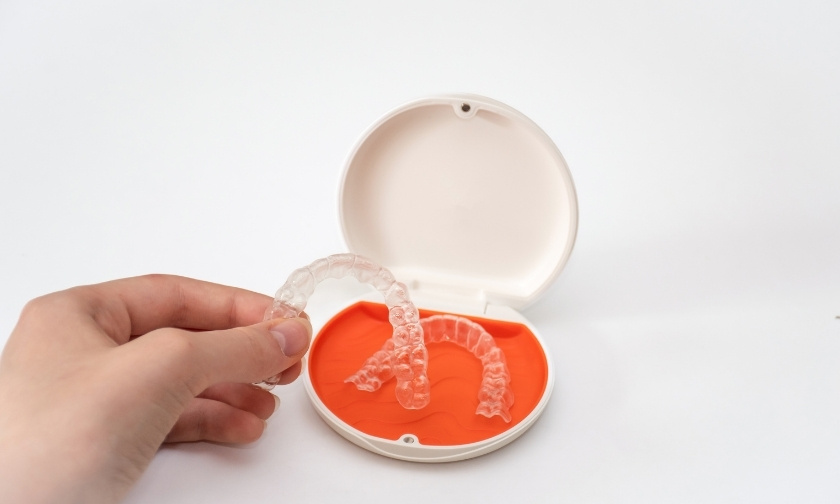
A straight, healthy smile isn’t just about aesthetics—it plays a big role in oral health and confidence. Orthodontic treatment helps align teeth, improve bite function, and reduce the risk of dental issues like cavities and gum disease. When it comes to achieving that perfect smile, two of the most popular options are braces and Invisalign.
Both treatments are designed to move teeth into their ideal position gradually, but they work in different ways. If you’re considering orthodontic care, understanding the differences between these options will help you make an informed decision that suits your needs, lifestyle, and preferences.
How Do Braces Work?
Braces have been around for decades and remain a trusted solution for correcting many dental misalignments. They consist of:
- Metal or ceramic brackets are attached to each tooth.
- Archwires connect the brackets, applying gentle pressure to shift teeth.
- Rubber bands or additional appliances for bite correction, if needed.
An orthodontist adjusts Braces periodically, gradually moving teeth into alignment over time.
Best for:
- Severe misalignment, overcrowding, or bite issues.
- Patients who don’t mind a visible treatment.
- Those who prefer a fixed solution without the responsibility of removable aligners.
How Does Invisalign Work?
Invisalign offers a modern, discreet approach to straightening teeth. This system uses:
- Custom-made, clear plastic aligners that fit snugly over your teeth.
- A series of aligners, each slightly adjusting tooth position.
- Removability, allowing patients to take them out for eating, drinking, and oral care.
Patients switch to a new set of aligners every 1-2 weeks, following a personalized treatment plan designed by their provider.
Best for:
- Mild to moderate alignment issues.
- Adults and teens who want a nearly invisible treatment.
- Those who can commit to wearing aligners for 20-22 hours per day.
Braces vs. Invisalign: Key Differences
| Feature | Braces | Invisalign |
| Appearance | Visible metal or ceramic brackets | Clear, nearly invisible aligners |
| Comfort | It may cause irritation from brackets and wires | Smooth plastic aligners with no sharp edges |
| Maintenance | Requires special cleaning tools for brackets and wires | Easy to remove for brushing and flossing |
| Dietary Restrictions | Avoid sticky, hard, or chewy foods | No restrictions—just remove aligners while eating |
| Treatment Duration | Typically, 18-36 months | It can be as short as 6-18 months, depending on the case |
| Effectiveness | Works for all types of misalignment, including severe cases | Best for mild to moderate cases |
| Convenience | Fixed in place; no risk of losing them | Requires discipline to wear aligners consistently |
Who Should Choose Braces?
Braces are a reliable choice for anyone needing significant correction. They work best for:
- Children and teenagers who struggle with the responsibility of wearing aligners.
- Patients with complex dental issues, such as severe overcrowding or bite problems.
- Individuals who prefer a “set it and forget it” approach since braces stay in place 24/7.
While braces are more noticeable, they are highly effective in achieving long-term results for even the most challenging cases.
Who Should Choose Invisalign?
Invisalign is a great option for those looking for a more flexible and discreet treatment. It’s ideal for:
- Professionals, students, or anyone self-conscious about metal braces.
- People with minor to moderate alignment issues who want a shorter treatment time.
- Those who value convenience and want to continue eating their favorite foods without restrictions.
The biggest factor in Invisalign’s success is compliance—not wearing the aligners for the recommended 20-22 hours daily can slow progress.
How to Decide?
Still unsure? Consider these factors before making your choice:
- Severity of misalignment – Braces are better for complex cases, while Invisalign suits mild to moderate corrections.
- Lifestyle and habits – If you want a nearly invisible option and can stay disciplined, Invisalign is a great fit.
- Budget – Costs may vary, but both treatments are often comparable in price depending on treatment length
- Comfort and maintenance – If you prefer a hassle-free option, braces stay in place. If you want easy maintenance, Invisalign wins.
Both braces and Invisalign offer effective ways to achieve a straighter smile, and the best choice depends on your unique dental needs and lifestyle. Consulting with a dentist or orthodontist will help you determine the right path based on your goals. Whether you choose the reliability of braces or the convenience of Invisalign, the end result will be a confident, healthy smile that lasts a lifetime!