23950 Franz Road Suite 700, Katy, TX , 77493


What Happens During Each Stage of Your Orthodontic Treatment


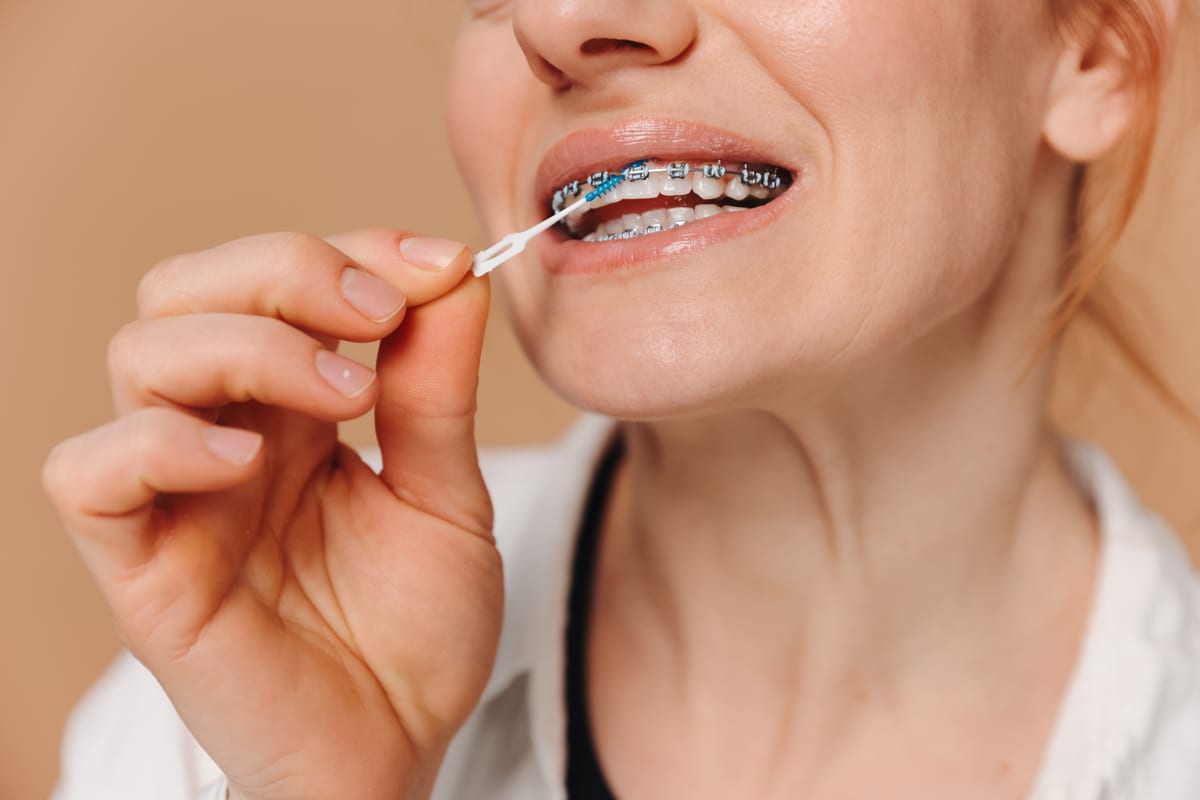
Understanding what happens during each stage of your orthodontic treatment in Katy can make the whole journey feel much less intimidating. Whether you are considering braces, Invisalign, or another orthodontic option, knowing what to expect helps you feel confident and prepared. At Smiles ON Orthodontics Katy, Dr. Ozge Colak Paredes and her team guide every patient through each phase with care and transparency. This article breaks down each stage so you know exactly what is coming next.
Stage One: Your Initial Orthodontic Consultation in Katy
Every orthodontic journey begins with a thorough consultation. During this visit, Dr. Paredes takes the time to understand your smile goals, dental history, and any concerns you may have. She will examine your teeth, bite, and jaw alignment to assess what kind of treatment would work best for you.
You can expect digital X-rays and photographs during this appointment. These images give the team a detailed picture of your teeth and bone structure. Nothing about this visit is uncomfortable — it is simply a comprehensive look at your oral health.
By the end of your consultation, Dr. Paredes will walk you through your personalized treatment options. She explains everything in plain language so you can make an informed decision. You will never feel rushed or pressured at this stage.
Stage Two: Creating Your Custom Treatment Plan
Once you decide to move forward, the team creates a detailed treatment plan designed specifically for your smile. This stage involves taking precise impressions or digital scans of your teeth. These records help map out exactly how your teeth will shift over time.
For Invisalign patients, these scans are used to generate a 3D simulation of your treatment progression. You can actually see a preview of your expected results before treatment even begins. This is one of the most exciting parts of the process for many patients.
For traditional braces or other orthodontic appliances, the team uses these records to custom-fabricate brackets or aligners. Every detail is tailored to your unique anatomy. This planning stage sets the foundation for a successful outcome.
Stage Three: Active Orthodontic Treatment — What Each Appointment Involves in Katy
This is the stage where the actual movement of your teeth takes place. If you are wearing braces, Dr. Paredes will bond the brackets to your teeth and thread the archwire during your placement appointment. This visit typically takes about one to two hours and is not painful, though some patients feel mild pressure.
For Invisalign patients, you will receive your first set of clear aligners at this appointment. Dr. Paredes will show you how to insert and remove them properly. Small tooth-colored attachments may be placed on certain teeth to help guide movement.
Throughout the active phase, you will visit the office every six to ten weeks for progress checks. Here is what typically happens at each adjustment visit:
- Dr. Paredes checks your tooth movement against the treatment plan
- Archwires are changed or tightened for braces patients
- New aligner sets are provided for Invisalign patients
- Photographs or scans may be taken to track progress
- Any discomfort or questions are addressed by the care team
Some soreness after each adjustment is completely normal. It typically fades within two to three days. Over-the-counter pain relief and soft foods can help you stay comfortable during this window.
The active treatment phase can last anywhere from several months to a couple of years. The timeline depends on the complexity of your case and how consistently you follow your treatment guidelines. Wearing aligners for the recommended 20 to 22 hours per day, for example, makes a significant difference in your progress.
Stage Four: Finishing and Removing Your Orthodontic Appliance
As your teeth approach their final positions, the team enters what is called the finishing stage. Dr. Paredes carefully evaluates your bite and alignment to make sure everything is exactly right. Small adjustments may be made at this point to perfect your results.
When your treatment goals are fully achieved, your braces are removed or your final aligner set is completed. Debonding braces takes about one hour and is completely painless. The team polishes your teeth thoroughly after removal so your smile looks its best immediately.
Here are some common things patients notice right after their appliances come off:
- Teeth feel smooth and unfamiliar without brackets
- The smile looks noticeably straighter and more balanced
- Bite feels different as the jaw adjusts to its new position
- Teeth may feel slightly sensitive for a short period
This is often an emotional moment for patients. Seeing your new smile for the first time is incredibly rewarding after months of commitment to the process.
Stage Five: Retention — Protecting Your New Smile Long-Term
Retention is one of the most important and often underestimated stages of orthodontic treatment. After your appliance is removed, your teeth need time to stabilize in their new positions. Without a retainer, teeth naturally tend to drift back toward where they started.
Dr. Paredes will fit you for a custom retainer at or shortly after your debonding appointment. Retainers may be removable or fixed behind the teeth, depending on your case. She will explain which type is recommended for you and how to care for it properly.
Most patients wear their retainers full-time initially, then transition to nighttime wear. Consistent retainer use protects the investment you made in your smile. The retention phase is ongoing, but it requires very little effort once it becomes part of your routine.
How Dr. Paredes and the Team Keep You Comfortable Throughout Treatment
Comfort and communication are priorities at every stage of your orthodontic experience at Smiles ON Orthodontics Katy. Dr. Paredes takes time at each visit to answer questions and explain what she is observing. Patients are never left wondering what is happening with their treatment.
The team uses modern technology and gentle techniques to minimize discomfort. Digital scanning replaces messy traditional impressions for most patients. The office environment is designed to feel welcoming and calm, especially for younger patients receiving pediatric care.
If you ever experience unexpected discomfort or a broken appliance between visits, the team is available to help. You will always have clear guidance on who to contact and what steps to take. That kind of support makes a real difference when you are mid-treatment.
Understanding each stage of your orthodontic journey helps you stay engaged and motivated from start to finish. Dr. Ozge Colak Paredes and the team at Smiles ON Orthodontics Katy are here to support you every step of the way. Book Now to schedule your appointment with our team.
Frequently Asked Questions
How long does each stage of orthodontic treatment typically take?
The consultation and planning stages usually take one to two visits over a few weeks. The active treatment phase varies widely — it can range from six months to two or more years depending on your case complexity. Retention is an ongoing phase that continues after your appliance is removed.
Does orthodontic treatment hurt at each stage?
Most patients experience mild pressure or soreness after adjustments or when switching to a new aligner set. This discomfort is temporary and usually resolves within a couple of days. The placement and removal of appliances themselves are generally painless procedures.
Can children and teens receive the same orthodontic treatment stages as adults?
Yes, children and teens go through similar treatment stages, though the timing and appliances may differ. Dr. Paredes also offers pediatric dentistry services and understands how to make younger patients feel comfortable. Early orthodontic evaluations can identify issues and allow for more effective treatment planning.
What is Invisalign and how does it differ from braces at each stage?
Invisalign uses a series of clear, removable aligners instead of brackets and wires. The consultation and planning stages are similar to braces, but the active treatment uses digital scans to create custom aligner sets. Adjustment visits are also slightly different — you swap aligner sets at home rather than having wires tightened in the office.
What happens if I skip retainer wear after my treatment is complete?
Skipping retainer wear is one of the most common reasons teeth shift back after orthodontic treatment. Even short periods without wearing your retainer can allow noticeable movement. Dr. Paredes emphasizes consistent retainer use to protect your results and ensure your smile stays aligned long-term.